Forage, with care:
Exploring Fernie’s edible landscape

To forage is to slow down—to see the landscape not just as scenery but as sustenance.
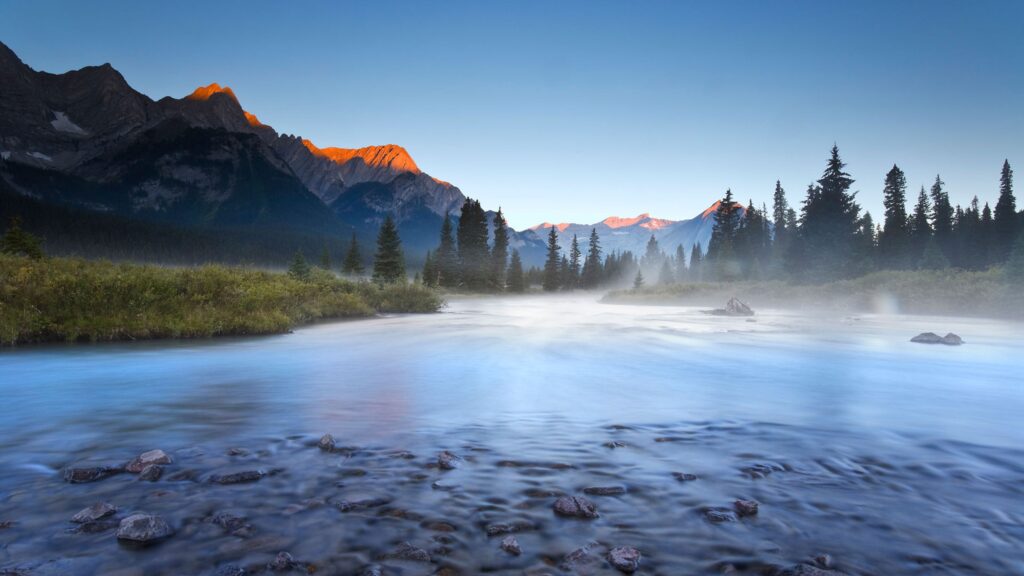
Across the forests, meadows and riverbanks of the Elk Valley, a quiet abundance exists.
Wild berries ripen in late summer. Lady fern fiddleheads emerge in spring. Fungi—often well hidden—appear in fleeting, seasonal windows.
For those who know where to look—and how to look—this landscape offers more than beauty. It offers food—organic, healthful and naturally delicious.
A practice rooted in awareness
Foraging isn’t just about exploration. It’s about mindful attention to the landscape that surrounds you.
It begins with understanding what grows here, when it appears and how it fits into the broader ecosystem. It requires patience, restraint and a willingness to leave more than you take.
For many, it becomes a way of engaging more deeply with the land, learning its rhythms and responding to them.
A note on safety
Depending on the season, the Fernie area offers a range of edible species—from berries and herbs to mushrooms and medicinal plants.
But abundance comes with a need for vigilance. Foraging—particularly for mushrooms—requires absolute certainty.
Misidentification can have serious consequences. If there’s even a shred of doubt, do not consume. Use trusted resources, consult experts and approach with caution at all times.
Tools like the Seek by iNaturalist app can help with identification, though they should be used as a supplement, not a substitute for expertise.
A field guide to Fernie’s edible landscape
A seasonal sampling of what the forests, meadows and waterways around Trailhead may offer when approached with care, knowledge and respect
Note: This is an introductory guide only. Proper identification is essential, especially for fungi. When in doubt, do not consume.
Berries & Fruits
These are among the most accessible and widely recognized wild edibles in the Elk Valley.
- Huckleberry (Vaccinium membranaceum)
A late-summer staple. Sweet, rich and deeply tied to the region’s ecology. - Saskatoon berry (Amelanchier alnifolia)
Found in sunnier, open areas. Mildly sweet with an almond-like finish. - Wild strawberry (Fragaria virginiana)
Small, intensely flavourful berries found in meadows and forest edges. - Red raspberry (Rubus idaeus)
Common along trails and disturbed areas. Familiar and easy to identify. - Thimbleberry (Rubus parviflorus)
Soft, delicate fruit with a bright, slightly tart flavour. - Highbush cranberry (Viburnum edule)
Tart and best used in preserves or sauces after frost.

Edible Plants & Greens
Often overlooked, these plants appear early in the season and reward careful observation.
- Fireweed (Chamerion angustifolium)
Young shoots can be eaten in spring; flowers used for teas or syrups. - Stinging nettle (Urtica dioica)
Highly nutritious when cooked. Must be handled and prepared properly. - Dandelion (Taraxacum officinale)
Leaves, roots and flowers are all edible, with a range of culinary uses. - Lamb’s quarters (Chenopodium album)
Mild, spinach-like leaves found in disturbed soils. - Wild mint (Mentha arvensis)
Aromatic leaves for teas and culinary use, typically near moist areas.
Roots, Shoots & Other Finds
Less commonly harvested, but part of the broader edible landscape.
- Cow parsnip (Heracleum maximum)
Edible only at very early growth stages and with proper knowledge. - Wild onion (Allium spp.)
Occasional in open, grassy areas—strong flavour, unmistakable aroma.

Mushrooms (extreme caution required)
The forests around Fernie support a rich diversity of fungi—but this is the category where expertise is essential.
- Morel (Morchella spp.)
Highly prized, typically found in spring—especially in disturbed or burned areas. - Chanterelle (Cantharellus formosus)
Found in late summer to fall. Distinctive shape and golden colour. - Boletes (various species)
Some edible, some not—requires confident identification. - Pine mushroom / matsutake (Tricholoma murrillianum)
Valued for its unique aroma and flavour; found in specific forest conditions.
Important: Never consume wild mushrooms without absolute certainty of identification. Many toxic species closely resemble edible varieties.

Teas & Medicinal Plants
Traditionally used for wellness, these plants offer subtle, restorative qualities.
- Labrador tea (Rhododendron groenlandicum)
Brewed as a fragrant tea; should be consumed in moderation. - Yarrow (Achillea millefolium)
Used in teas and traditional remedies. - Rose hips (Rosa spp.)
High in vitamin C; often harvested after the first frost.
A Final Word
Foraging is as much about restraint as it is about discovery.
Take only what you know. Harvest lightly. Leave enough for wildlife—and for the landscape to renew itself. Because the true value of an edible landscape isn’t just what it provides today but what it continues to offer over time.