Let the stars shine bright: Protecting the nighttime sky
In a world of increasing brightness, darkness has become something worth preserving.
Step outside on a clear night in Trailhead and look up. What you see is becoming increasingly rare.
A sky dense with stars. The faint band of the Milky Way stretching across the horizon. The quiet, enveloping darkness that allows the night to feel like night.
In most places, this experience has been lost—washed out by the diffuse glow of cities and the unchecked spread of artificial light.
At Trailhead, it’s something carefully protected.
The value of darkness
Dark skies are more than a visual luxury. They shape how we experience a place.
They restore a sense of scale and perspective. They support natural circadian rhythms, both for people and for wildlife. And they offer something increasingly difficult to find: true stillness.
For many, it’s one of the reasons to be here.

Designing for dark skies
Preserving darkness requires intention.
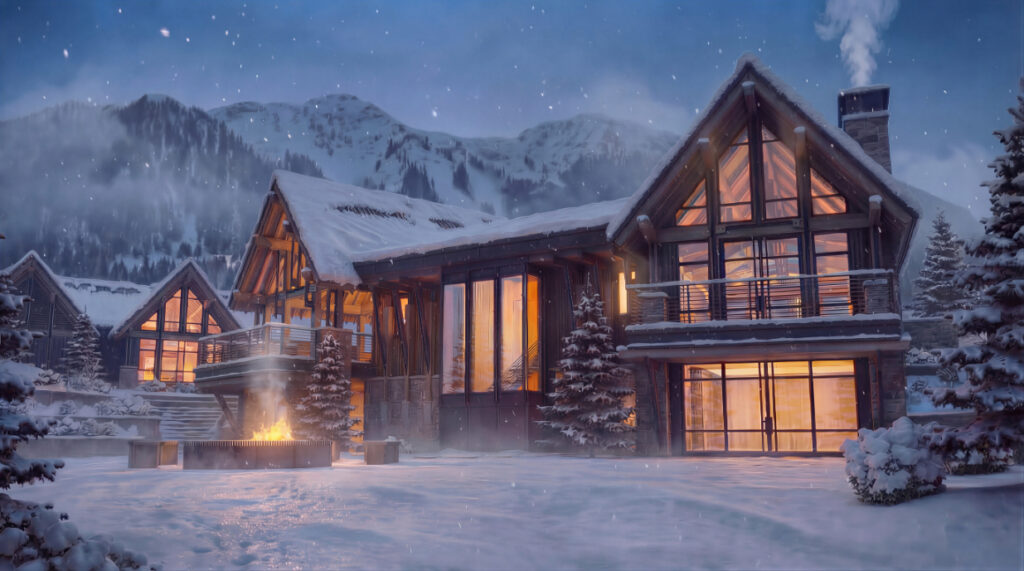
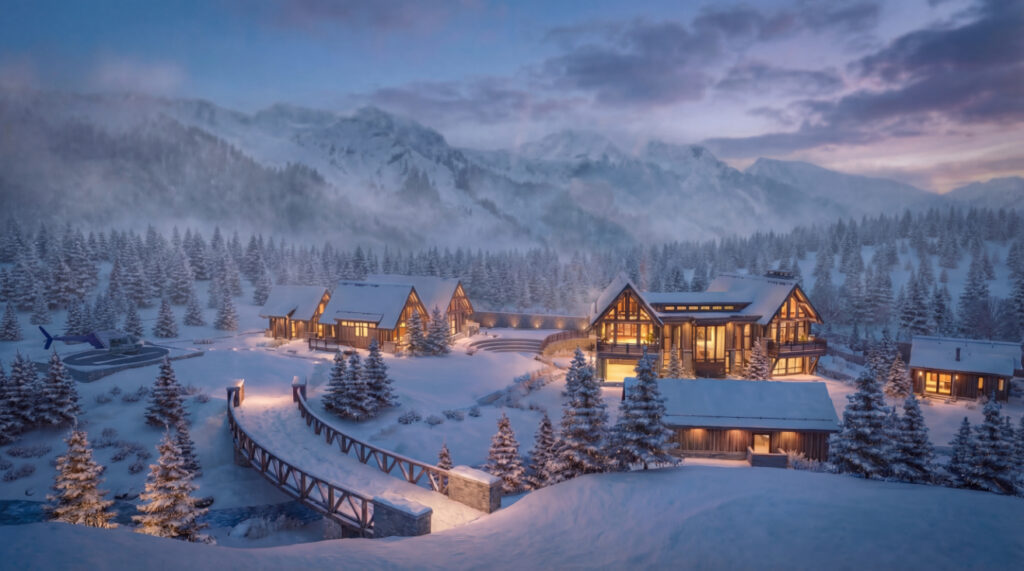
Across the community, lighting has been designed to minimize light pollution while still supporting safety and function. Fixtures are low in height, warm in tone and carefully directed downward, illuminating what’s needed without spilling into the broader landscape.
You won’t find tall, high-intensity streetlights here. No harsh glare. No overlit roadways.
Instead, the effect is subtle—an ‘old world’ quality that feels calm, grounded and appropriate to the setting.
A shared responsibility
Preserving the night sky extends beyond public spaces.
Trailhead’s Design Guidelines expect homesite owners to carry the same principles into their own lighting choices, limiting excess brightness, reducing upward light and maintaining the overall character of the community after dark.
It’s a collective effort, and one that ensures the nighttime experience remains intact over time.
The experience of night
On a winter evening, the stars sharpen in the cold air. In summer, meteor showers trace bright and fleeting arcs across the sky. Some nights, the moon casts enough light to hike the trails without a headlamp.
These are not programmed experiences. They are simply what happens when darkness is allowed to exist.

Upcoming celestial highlights
- Perseid meteor shower: peaking on August 13 & 14, 2026
- Geminid meteor shower:night of December 13 into the early morning of December 14, 2026
- Partial (96%) lunar eclipse: August 27–28, 2026
- 2026 full moons:
- May 1: Flower Moon
- May 31: Blue Moon
- June 29: Strawberry Moon
- July 29: Buck Moon
- August 28: Sturgeon Moon
- September 26: Harvest Moon
- October 26: Hunter’s Moon
- November 24: Beaver Supermoon
- December 24: Cold Supermoon