Growing into stewardship:
The evolution of Galloway Lands

Every landscape has a history. What matters most is what comes next.
Long before Trailhead was imagined, this land had a different purpose.
Through much of the 20th century, the forest that now embraces Trailhead was part of a working landscape known as Galloway Lands and managed for timber harvesting under what was then Managed Forest #37. Logging roads traced the contours of the terrain. Trees were selectively removed. The forest was used just as so many forests across British Columbia have been.
It was a landscape shaped by extraction. And then, in time, it began to change.
A forest that returned
When logging activity tapered off in the early 1990s, something quiet but powerful began to happen.
The land regenerated.
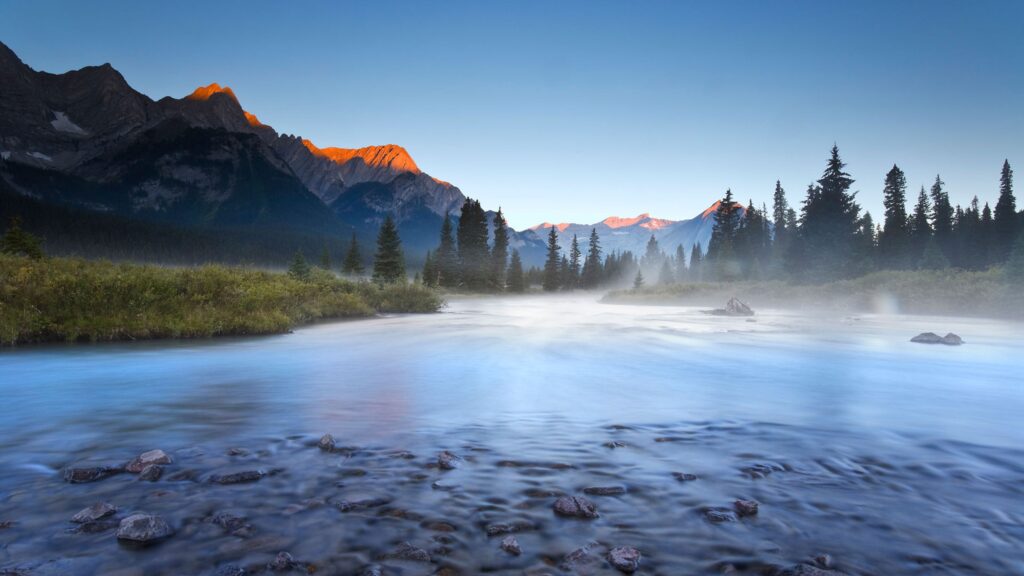
Seedlings took root. Understory returned. Wildlife re-established patterns of movement through the valley and along the creek corridors. What had once been actively managed began to recover its natural, unforgotten rhythms.
Decades passed. The forest grew back—not as a replica of what had been before but as a renewed and evolving ecosystem.
Today, that regeneration defines the experience of the land. Mature trees. Dense canopy. Lush understorey. A sense of continuity that feels, at first glance, untouched.
But the history remains—embedded in the terrain, in the patterns of growth, in the subtle traces of what came before.
A different way forward
When Reto Barrington acquired the property, the opportunity was not simply to develop the land.
It was to honour its resilience and sustain its recovery.
A 20-year resident of Fernie, Reto understood both the value of the landscape and the pressures facing it. Growth in mountain communities often comes with trade-offs—between access and preservation, between opportunity and impact.
The question was not whether this land could support a new community. It was how it could do so without losing what made it meaningful in the first place.

From resource to responsibility
Trailhead represents a deliberate shift from viewing land as a resource to be exploited to understanding it as something to be cared for over time.
That shift is reflected in every aspect of the community plan.
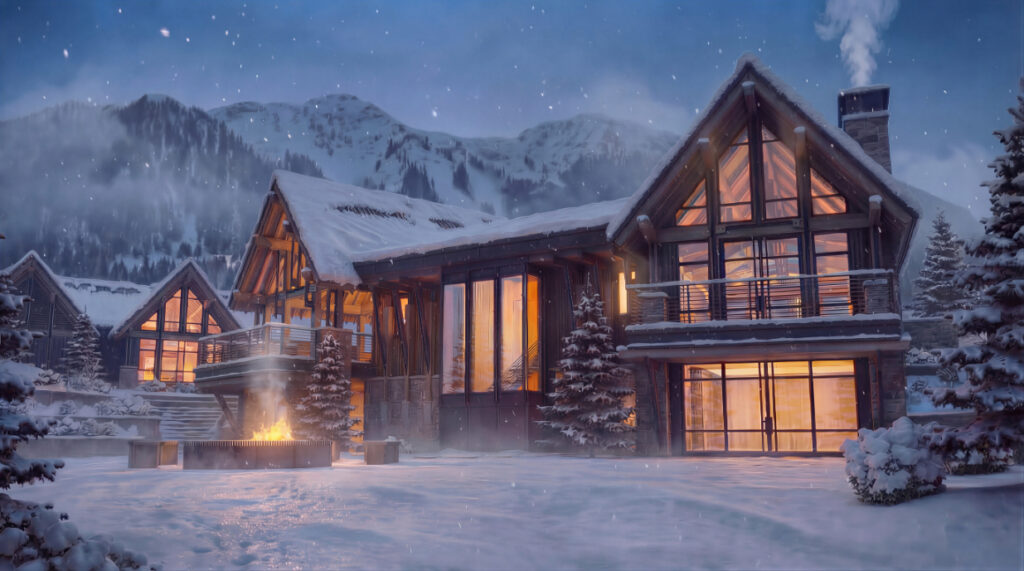
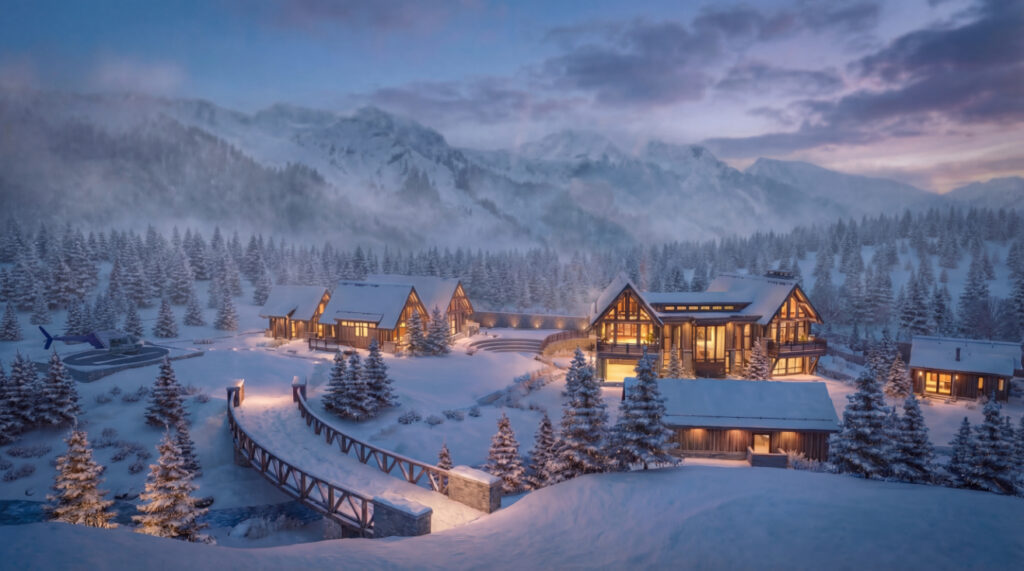
More than 200 acres have been permanently protected as preserve lands, including the Lizard Creek corridor, ensuring ecological continuity across the site. Homesites are large, forested and carefully sited to minimize disturbance. Design guidelines emphasize restraint, natural materials and a built form that remains secondary to the landscape.
Even the trail network reflects this philosophy, woven through the land rather than imposed upon it, creating access without fragmentation.
These are not isolated decisions. They are expressions of a broader intent.
Holding the memory of the land
There is a tendency in development to erase what came before—to present land as pristine and untouched.
Trailhead takes a different approach.
The history of Galloway Lands is acknowledged, not hidden. Elements of that past are carried forward in subtle ways—from naming conventions rooted in logging traditions to an overall awareness that this landscape has been shaped, used and ultimately allowed to recover.
This continuity matters. It grounds the community in something real—not just a vision of what could be, but an understanding of what has been.
A legacy measured over time
Stewardship is not a ‘one and done’ decision. It’s a long-term commitment.
The forest that exists today took decades to return. The work of protecting it—of ensuring that future generations experience it with the same sense of awe, respect and possibility—will take even longer.
Trailhead is not presented as a finished idea. It is part of an ongoing process—a transition from one chapter of land use to another. From extraction to regeneration. From ownership to responsibility.
The forest’s future
In the end, what defines a place is not just how it looks but how it is treated.
At Trailhead, the goal is neither to recreate a pristine past nor to impose something entirely new. It’s to find a balance—one that allows people to live within the landscape while ensuring that the landscape continues to thrive.
A community defined not just by what is built but by what is preserved.
A place where the forest that came first continues to come first.